

Understanding Bioelectrical Impedance Analysis (BIA)
Tracking progress in a fitness or wellness routine is easy when changes are visible, but body composition tells you a fuller story than your weight alone ever will. Knowing how...


A wood fire changes the character of a sauna. The heat is softer and more enveloping, the stones hold warmth for longer, and the crackle of burning logs becomes part of the ritual. For many sauna lovers, building and tending the fire is as much a part of the experience as the steam itself.
Wood burning heaters also solve practical problems that electric models can’t:
Heracles Wellness carries wood burning heaters from three established European makers. Each takes a slightly different approach to design, installation and steam.
|
Brand |
Origin |
Design Focus |
Installation Options |
Best Fit |
|
Harvia |
Finland |
Broad range from compact to large, high-output stoves |
Multiple series and stove sizes |
Buyers wanting wide choice and a trusted name |
|
HUUM |
Estonia |
Sculptural design with stones piled high around the firebox |
Several stove sizes and configurations |
Design-led builds where the stove is a focal point |
|
Cozy Heat |
Estonia |
Handcrafted stoves built for efficient, clean combustion |
Classic and space-saving Thru-Wall versions |
Buyers who want to feed the fire from outside the hot room |
Each brand brings its own heritage and engineering priorities to wood-fired heat. Here’s what sets Harvia, HUUM and Cozy Heat apart.
Finland’s best-known sauna manufacturer brings decades of experience to its wood burning range. Harvia wood burning heaters span compact stoves for small home saunas through to large, high-output units for bigger cabins and light commercial use. The stoves are known for durable construction, generous stone capacity and the steady, gentle steam that defines a classic Finnish session.
Estonian brand HUUM is recognized for heaters that look as striking as they perform. HUUM wood burning heaters carry the same stone-heavy approach as the brand’s electric range, with rocks piled high around and above the firebox to soak up heat and release it evenly. That thermal mass keeps temperatures steady between firings and softens the löyly.
Handcrafted in Estonia, Cozy Heat sauna heaters focus on durability and combustion efficiency. Each stove uses a 5mm stainless steel flame cutter that protects the firebox and helps the fire burn more completely. Cozy Heat stoves meet Germany’s EN 15821:2010 emissions standard, one of the stricter benchmarks for wood-fired sauna heaters.
Choosing the right heater comes down to three connected factors:
A well-insulated, tightly sealed room needs less output than a draughty one of the same size. Reviewing the manufacturer’s installation manual before purchase avoids most sizing mistakes, and the Heracles Wellness team can walk through the specifications for any build.
The main difference is the nature of the heat and the ritual around it. Wood burning heaters produce softer, more enveloping warmth from a larger stone mass, and the fire itself becomes part of the session. Electric heaters, by contrast, start at the push of a button and need no tending once the session begins.
|
Factor |
Wood Burning |
Electric |
|
Heat character |
Soft, deep radiant heat |
Even, controllable heat |
|
Power supply |
None required at the heater |
Dedicated 240V circuit |
|
Heat-up time |
Longer, with fire tending |
Shorter, largely hands-off |
|
Ongoing effort |
Firewood supply and ash removal |
Minimal |
|
Best setting |
Outdoor cabins and off-grid builds |
Indoor rooms and daily convenience |
Buyers who want a quick, low-effort session most days will usually find electric more practical. Those who value the meditative rhythm of a wood fire, and have the space and chimney infrastructure to support it, often find wood heat delivers a depth of löyly electric rarely matches. Both work well in traditional Finnish saunas. Infrared saunas are a different category altogether, using radiant panels rather than heated stones.
A successful installation depends on four elements planned well ahead of delivery:
Every heater lists minimum distances from combustible walls, ceilings and floors. These figures vary by manufacturer and must be followed precisely. A non-combustible hearth pad or tiled area beneath and around the heater is standard practice and is often required by local building codes.
The flue pipe diameter must match the heater’s outlet collar exactly, since an undersized or oversized pipe affects draft, combustion and safe operation. For outdoor cabins with pitched roofs, the chimney exit point and flashing should be planned before the heater arrives. The Heracles Wellness team can help confirm compatibility between a heater and a planned flue route, and put together a component list for the build.
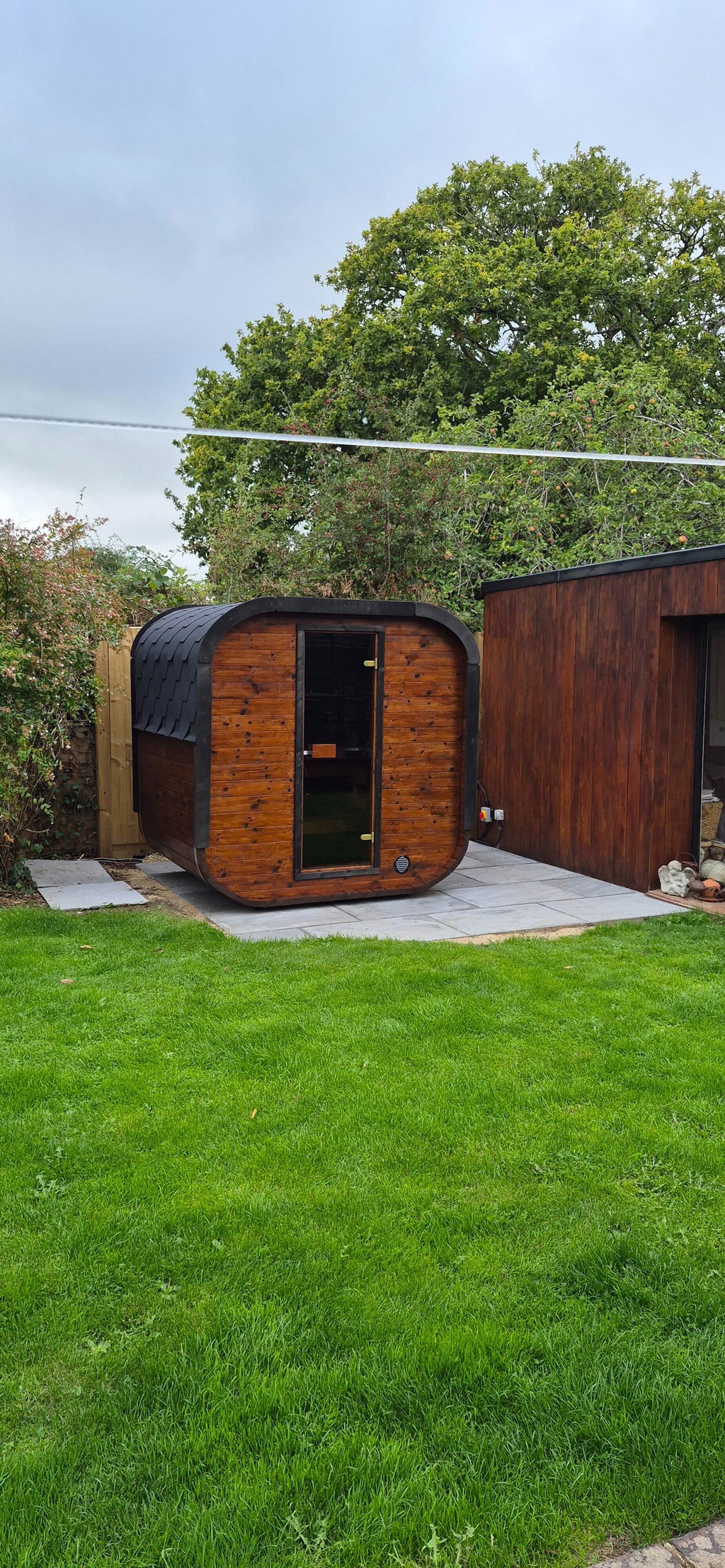
I am very happy with the Camilla Sauna. I elected for the Sauna to be constructed by Heracles which I'd recommend as the fitters know exactly what they are doing and it's more than a normal DIY job. My elecrician found it trickey to wire in but once sorted the results are excellent. The Sauna is a good size and will fit 4 people easily. It heats up quickly and looks good. Great value against some others.
Had the Camilla 3-4 person sauna installed by the Heracles team — delivered and fully assembled the same day.
Our electrician needed a bit of time to get to grips with the wiring, but Abdul from customer support helped talk him through it. Abdul was helpful throughout, always quick to respond to questions.
Heats up quickly in the current weather, though we haven't tried it in winter yet so can't speak to performance in colder conditions.
Very happy to recommend Heracles.
From my initial enquiry to installation Keith from Heracles has been very helpful. The whole buying journey was smooth and customer focused. The installation team were on time and cleaned up after installing the sauna. The sauna itself is great quality and looks even better than the website photos. Highly recommend this product
Summary: A great sauna and more importantly a very good experience buying, installing and minor issue resolution.
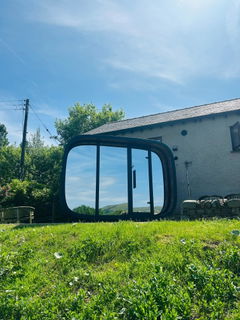
I bought this sauna for a holiday let I own in the Lake District. Keith and the team talked me through the options particularly as this is quite an exposed location. Unlike the other companies I spoke to, they were very upfront about the work needed and costs to install above the unit purchase price.
Unit bought and arranged a few weeks ahead when I didnt have guests and I would be in the area and on hand. Team and pack arrived at the right time and installed without issue. The electrician then attended the following day from a list of recommendations who also did a straight forward ontime on price good job.
A couple of months on there was a minor issue with the door and teh huum controller, both sorted very quickly and not noticed by the holiday guests
I am sure you can buy a cheaper sauna but in this case I have no issues during and after the installation. Will use again when I need more equipment like this in future
This is a very high quality product, backed by exceptional service from all members of the team.
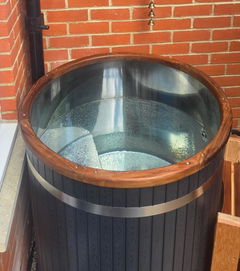
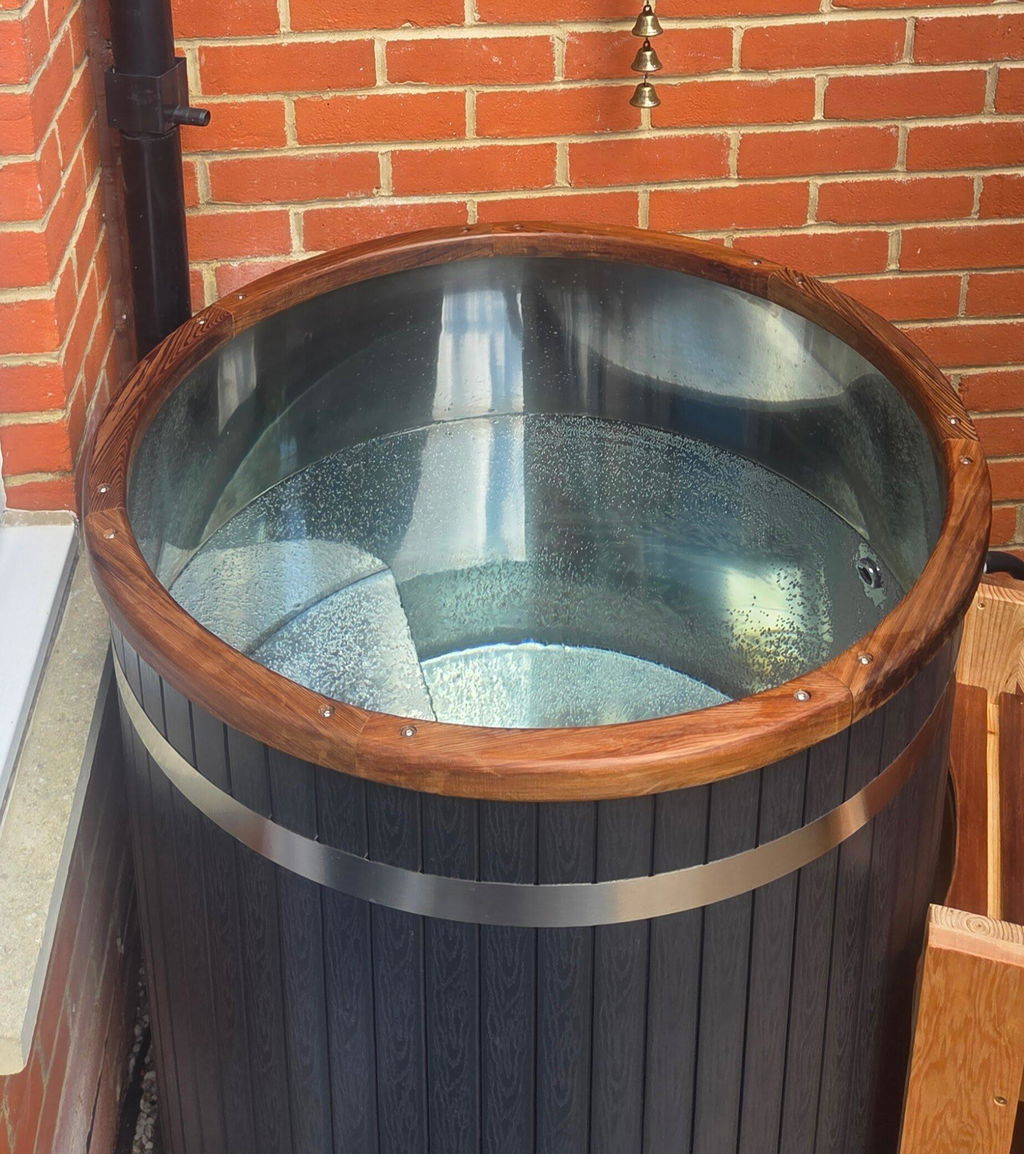
The ice bath is beautifully constructed and feels really to use The seat is deep enough to get water over the shoulders and you can fully submerge as needed.
The chiller is easy to use on the app, gets the water cold quickly and maintains a clean and cold bath ready to use any time.
Pairs beautifully with the sauna, thank you Keith, Pawel and the rest of the team!
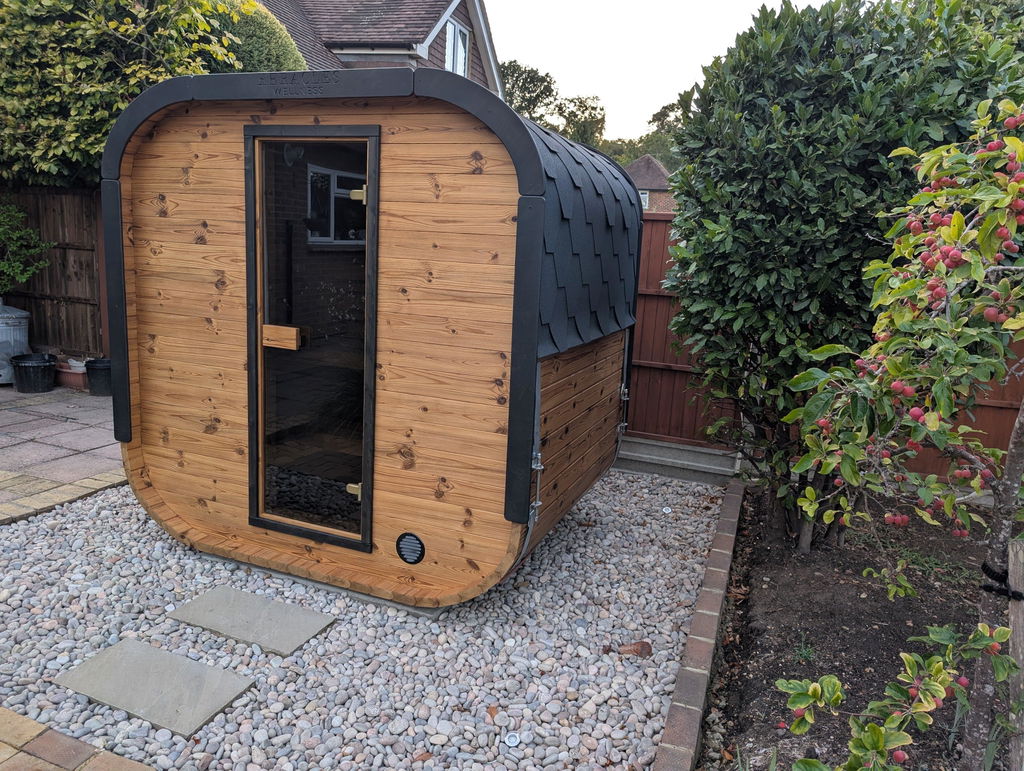
We're super happy with the Leil Patio sauna. Not only it looks great it seems extremely well built. Keith's team did a great job assembling it and we're looking forward to many sauna sessions.
The changing rooms is a lot more spacious than it seems in the photos and definitely a plus for a break without having to go outside.
I recently received the Camilla sauna from Heracles Wellness, and the entire experience, from initial enquiry through to installation and daily use has been absolutely first-class.
A massive thank you to Keith and the wider sales team. Keith was fantastic to deal with: knowledgeable, patient, and completely transparent throughout the process. Keith answered all my questions with genuine expertise and made sure I chose the exact setup suited to my space and needs.
The assembly team deserves equal praise. They arrived promptly, worked cleanly and efficiently, and paid meticulous attention to detail during the build. They treated our property with total respect and took the time to walk us through the controls and maintenance before leaving.
As for the Camilla sauna itself, it has exceeded all expectations!
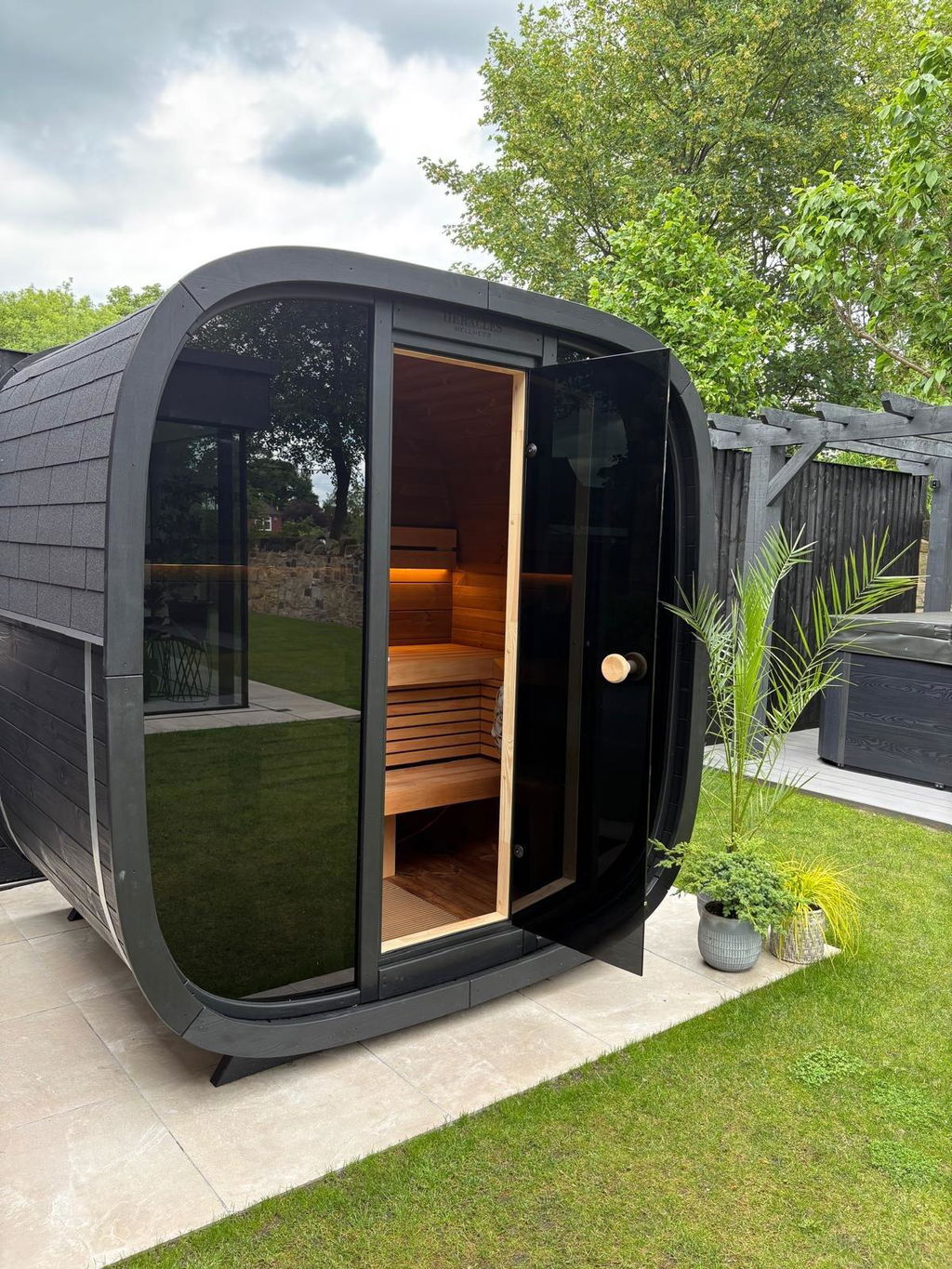
Stunning Design: It looks gorgeous—the craftsmanship, wood finish, and overall aesthetics make it a real focal point.
Flawless (and easy) operation: It heats up quickly, maintains consistent temperature effortlessly, and delivers an incredible sauna experience every single session. I'm generally having 2-3 sessions as week at ~90deg for 20mins.
If you are considering investing in a high-quality sauna and want seamless customer service from people who genuinely care about what they do, look no further than these guys. I cannot recommend Keith and the entire HW team highly enough!
Absolutely delighted with the modus sauna. Very high quality product. I would highly recommend this model as the kit is high spec, I put it together with my dad who is a tradesman. If you build this yourself I would recommend getting someone who is experienced in tools/building. We got an electrician to install all the heater. Couldn’t fault the customer service with the Heracles and Wellness team who kept me updated with the delivery of sauna and any queries I had. A special mention to Abdullah who has been really efficient. If buying a sauna would highly recommend Heracles and Wellness.
First class service and highly competitive pricing.
The whole process went really well.
We had an issue with the lifter supplied and so it was returned and a timely refund issued.
The delivery team from Trinity spa's were first class too. All highly professional.
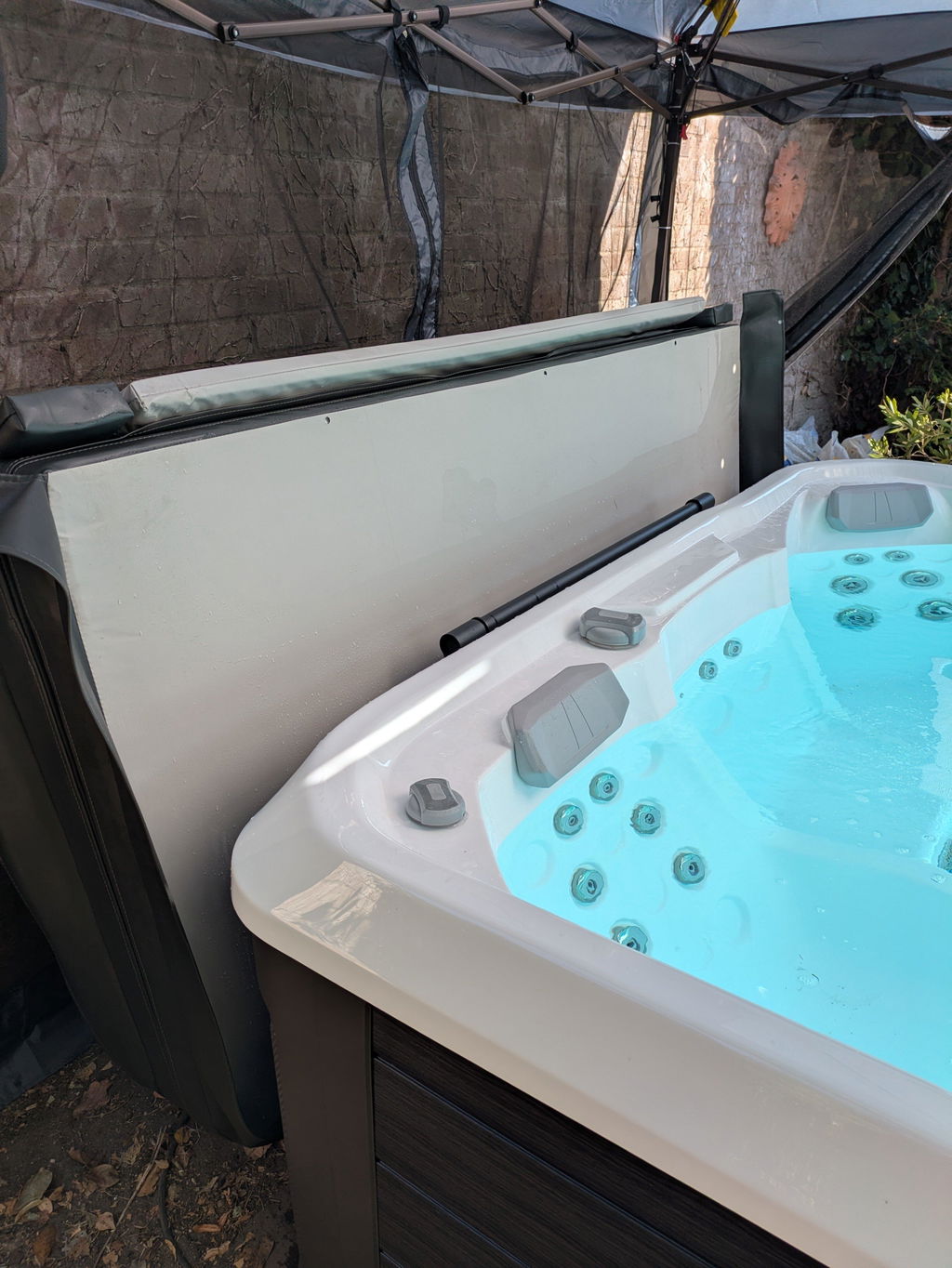
Remember the tub comes without a flex and plug so we purchased from Screwfix Flexi cable 10m coil 3 core 1.5mm and a plug ! Easy installation.
If you purchase a rear mounted lifter, I suggest you add a additional piece of 3" x 2" to attach to the main frame to help support the lifter.
I am running the tub on eco3spa chlorine free products. Water remains crystal clear and odourless.
All in all a great investment and a lot of fun too.
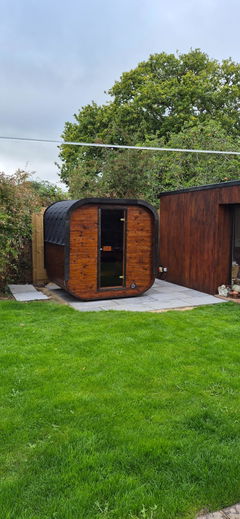
Really pleased with my Camille cube sauna. I did lots of research before purchasing and Heracles came out top. Evem our beach sauna guy sang their praises. Keith and team were great, moving delivery date when I wasn't ready and with lots of advice during our build. Though I had my own joiner I would recommend using their installation team as they have the expertise. We are so happy with the purchase and look forward to enjoying the benefits for many years to come.
The only way to truly rate a product is by considering the whole process start to finish and I will say with all honesty, that I found the information before hand and the purchasing process very satisfying. It certainly helped that the web page was extremely thorough so there was no doubt about what you were receiving.
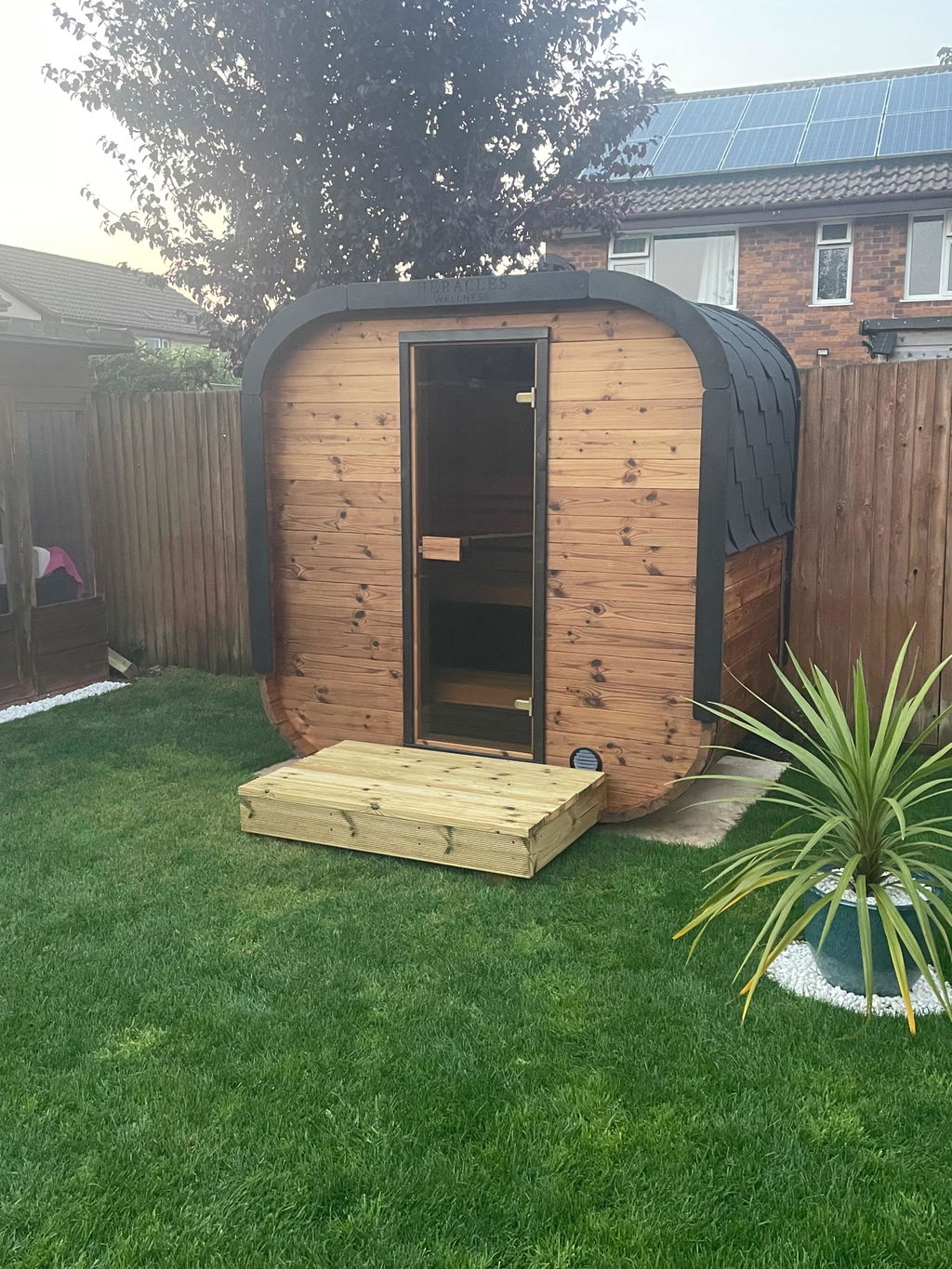
The delivery was seamless on a date of my choice, and the team of fitters who turned up shortly afterwards, were very polite and friendly. I had concerns over freshly laid grass but I need not have worried. They laid a ground sheet and worked precisely and efficiently to a finish about 4hrs later. Although they left the waste, it was left tidily and made disposing of it a simple task. A real pleasure to deal with tradesmen who clearly enjoyed their work and did it with an old fashioned ethic.
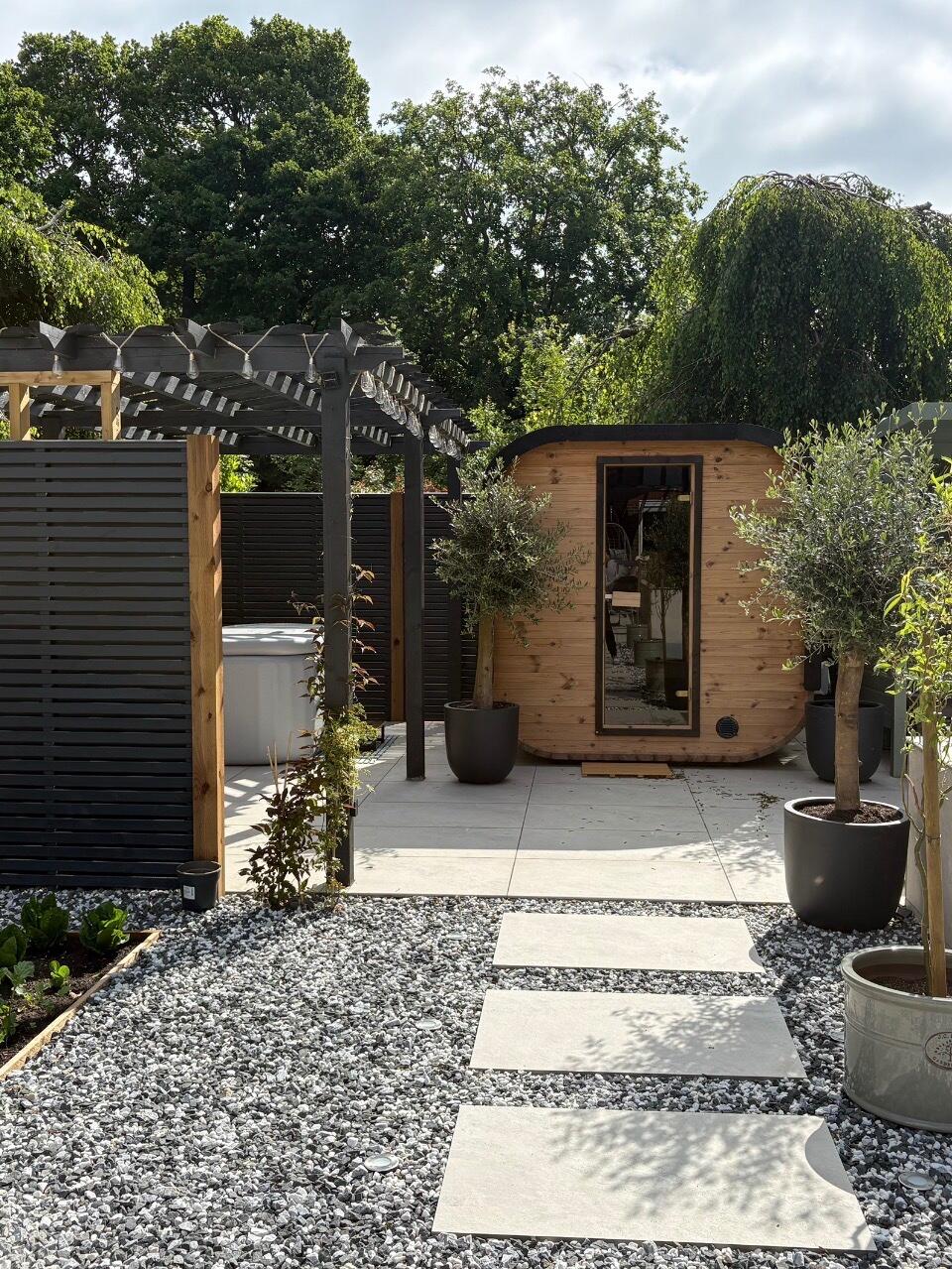
I’ve since treated the outside of the sauna but not the inside so I’m yet to use it but it blends wonderfully in with my garden.
On a final note, I reviewed and researched garden saunas for a long time before deciding that Herecles ticked all my boxes. The materials used plus the extras made it stand out from the crowd and I can honestly say that the reality certainly matched the hype.
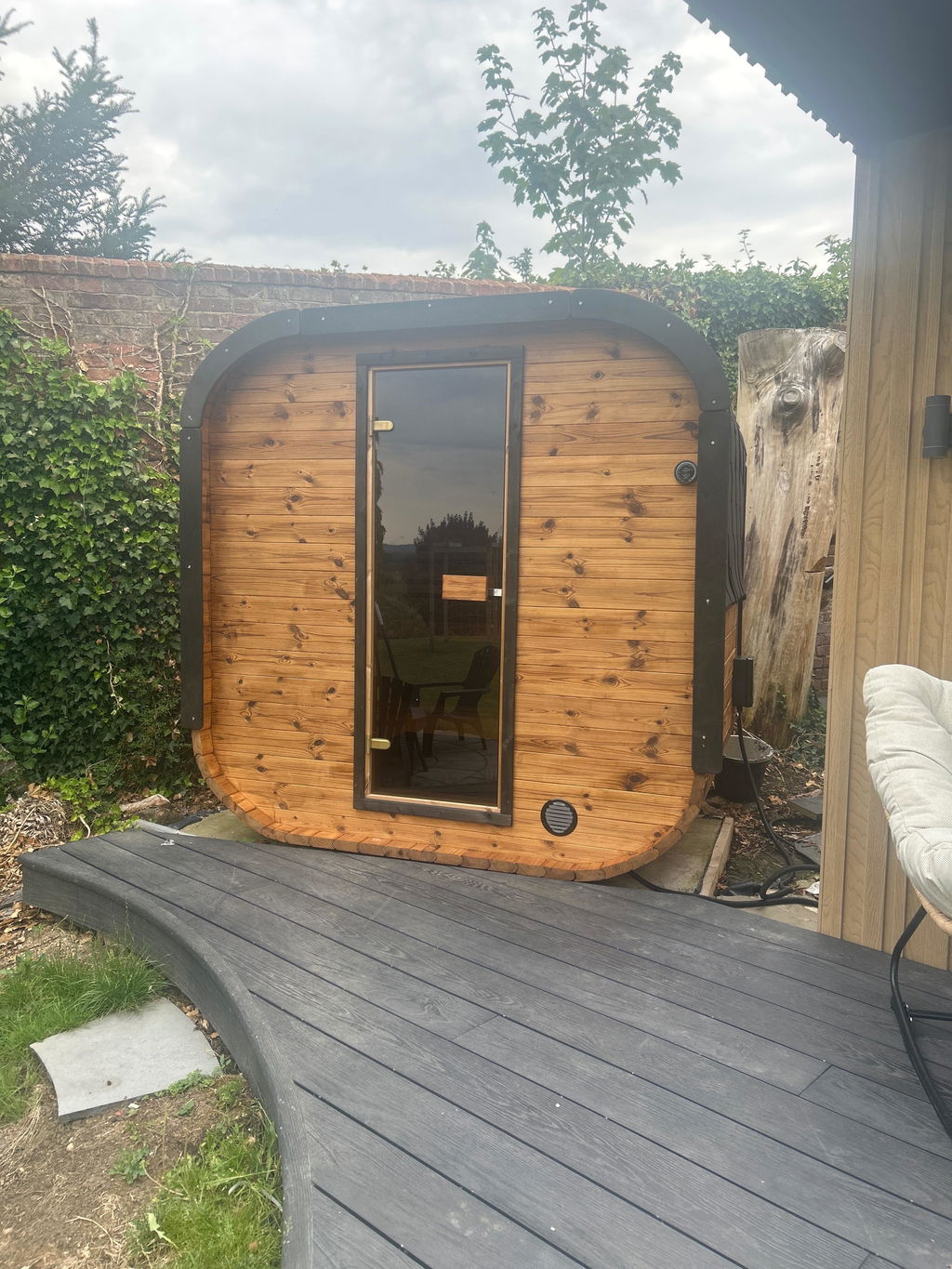
Our Camilla 3-4 person suana does exactly as stated on the box. It heats up quickly and you can get in after about 20 min although 30 allows it to reach the temperature we like. I built it myself and found that it went together relatively easily. You have to be a bit careful with the thermowood as it is very brittle and when interlocking the ends can sometimes split away but this is not a real issue if you are careful with it.
I had my local electrician wire up the heater and again that was a relatively simple job.
We have only had two people in it to date but more than enough room for 3 or 4.
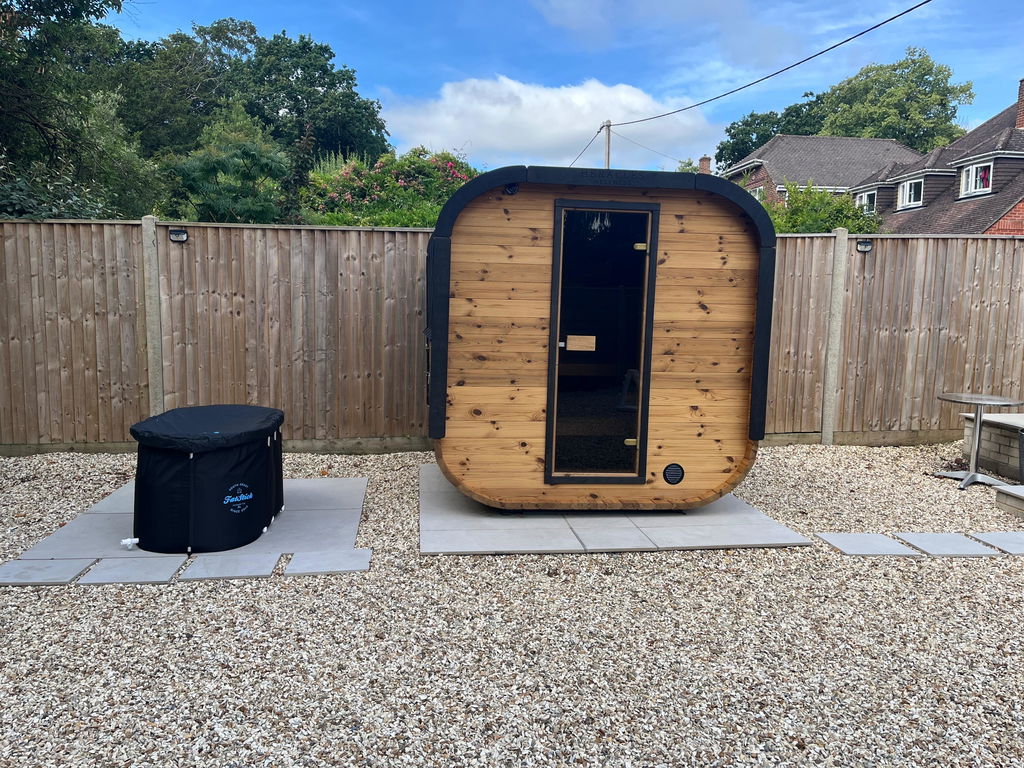
Bought a cheap and cheerful cold water plunge pool and works well with the sauna.
Overall very pleased and would recommend one if you are looking at a simple set up for your garden.
They say ‘happy wife, happy life’. Well I can vouch for that, we are both extremely happy with our latest addition to home set-up.
From the beginning the sauna was easy to purchase and get delivered (with in a couple of weeks due to stock levels). I had to hand ball off the lorry as the pallet it comes in was too big for the tail lift but that’s about the most difficult part of the whole process.
Instructions were fairly straightforward though I am a builder so have experience in this sort of thing. But most handy DIYers will find this easy enough to build.
If you plan in the time to paint various woods at different stages of the build it will help. i.e paint interior wall and benches prior to fitting the benches makes its easier to reach those otherwise hard to reach places.
The guys sent a really great link with electrical details needed for your electrician so you can prep ahead of time and get materials in place for their arrival. Think it took my guy about three hours to hook it up.
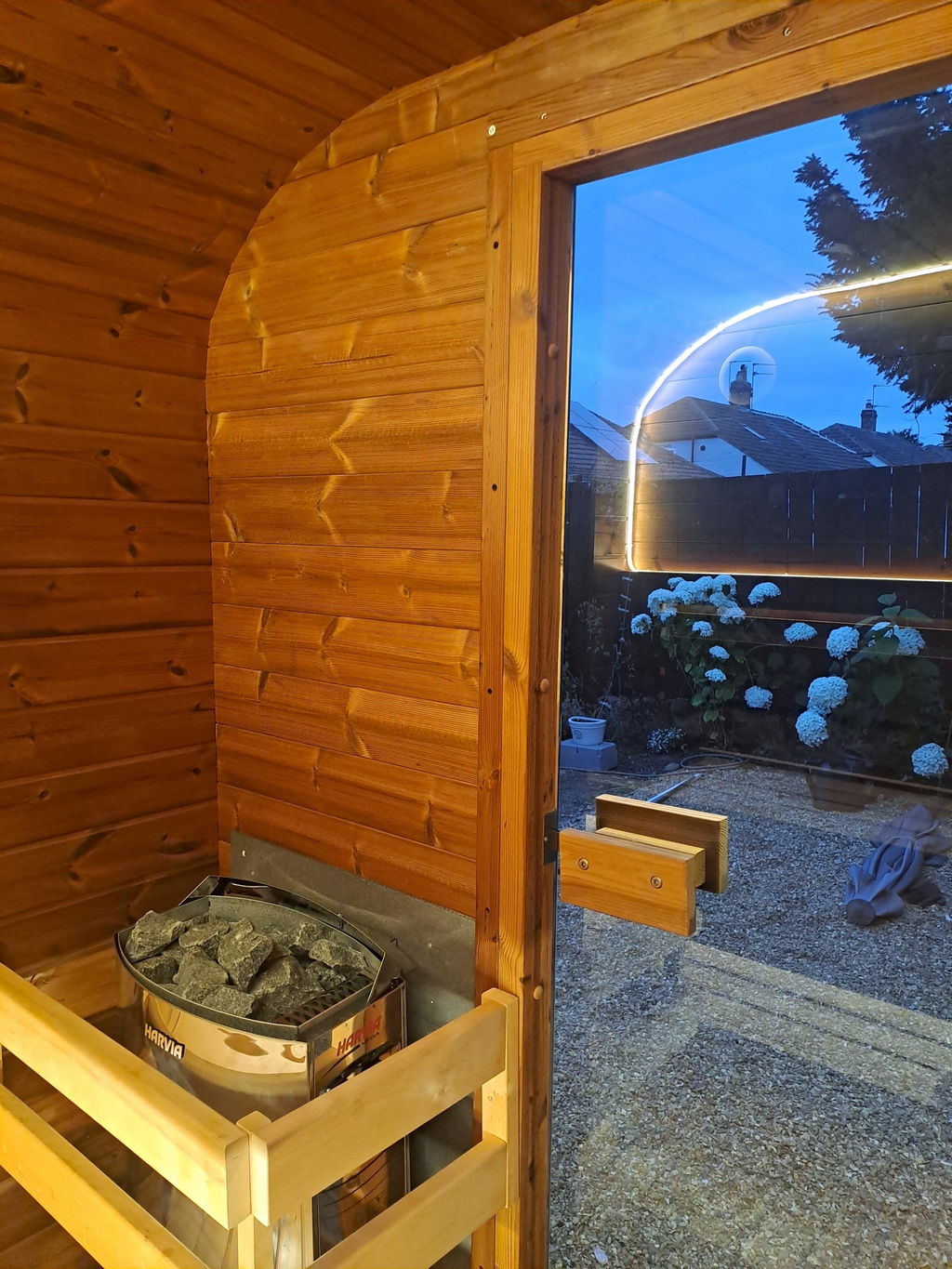
Quality of the thermo wood is excellent keeps the heat in really well. The Heater is easy to operate and within 20mins it’s ready to jump in. Max heat will in time reach 90+degrees which is too hot for me.
Already have friends and family asking about it.
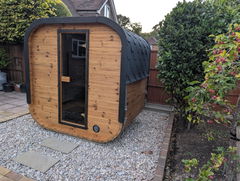
The quality of the black cube sauna really is top notch, from the roof shingles to the heater every component is quality.
Delivery was perfect, on time and professional. The driver contacted me on route with an ETA and went out of his way to help me get the large pallet into my garage.
I chose to build the sauna myself which was relatively straightforward and quite enjoyable. The construction guide was comprehensive and easy to follow.
We use our new sausa almost every day and couldn't be happier.
Would certainly recommend Heracles and the black cube to anyone considering an outdoor sauna.
We are delighted with our sauna. Ordering was easy and we opted for the install option too. Make sure you use electricians willing to ask for advice from the Heracles team if needed as that supports a smooth installation. Really happy that we chose Heracles. You don’t need to spend a fortune to get a quality product that does the job beautifully.
This store specialises in wellness products including saunas, hot tubs, and ice baths. Customers consistently praise exceptional customer service from Keith and the team, who provide expert guidance throughout the purchasing process. Professional installation ...
Tracking progress in a fitness or wellness routine is easy when changes are visible, but body composition tells you a fuller story than your weight alone ever will. Knowing how...

For most people building a home recovery routine, an ice bath is the better investment. Controlled trials show cold water immersion produces the same recovery outcomes as cryotherapy, and a...

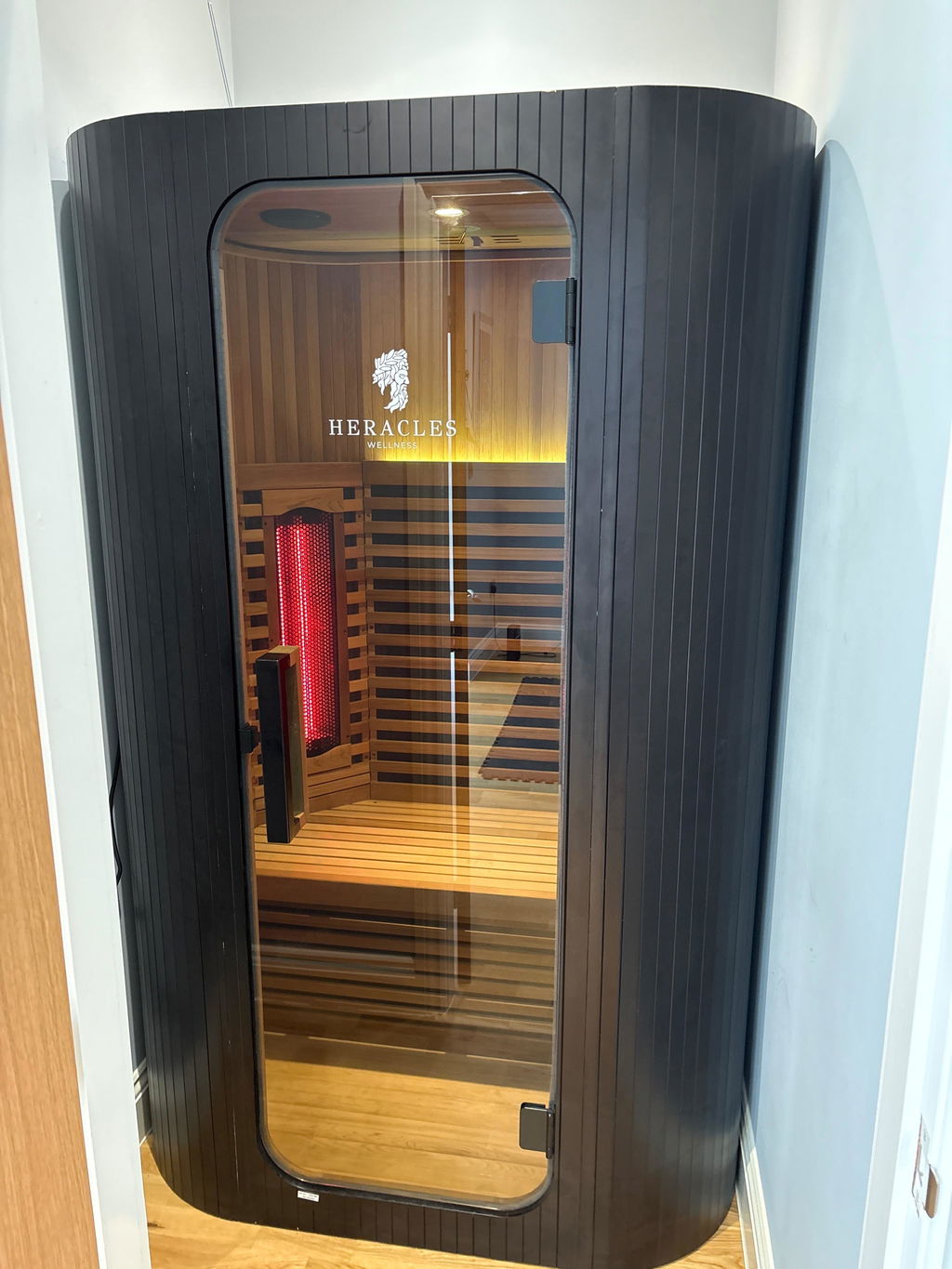
Infrared saunas heat your body directly rather than heating the air around you, so sessions run at lower air temperatures than a traditional sauna. That difference in heat delivery shapes...

When you submerge yourself in cold water, your body responds immediately and decisively. Blood vessels near the skin contract sharply, redirecting blood flow toward your vital organs in a process...