How a Sauna Heater Shapes the Whole Experience
Most people judge a sauna by the temperature on the display, but the number tells only part of the story. The way heat moves through the room shapes the entire experience. A heater that distributes warmth evenly creates a more comfortable, consistent session, even at the same thermostat setting as a conventional model. Two factors have the biggest impact: how evenly the heater circulates heat and how much thermal mass it stores.
Even Heat Distribution
A conventional heater warms the air near the ceiling first, leaving a gap between bench height and floor. This is why a sauna often feels hottest at head height while feet stay noticeably cooler. Saunum’s air-blending technology pulls cooler floor air upward and mixes it with heat from the stones, producing a flatter, more even temperature profile. In a standard 8-foot-ceiling home sauna, that can mean a difference of 20°F or more between floor and ceiling with a conventional heater, compared to closer to 5 to 8°F with an air-blending unit. The result is a session that stays comfortable throughout.
Stone Capacity and Heat Retention
Stone mass directly affects how a sauna performs once people start using it. A larger stone bed takes longer to reach full temperature, but it holds that heat far more steadily. Saunum’s commercial-grade models typically have over 100 pounds of stones, compared to the 22 to 33 pounds common in basic residential heaters. This matters most when a door opens repeatedly, or several people share a session. A heater with a generous stone capacity also produces a fuller, more satisfying burst of steam whenever water hits the rocks, rather than the thin hiss a small stone bed delivers.
Traditional and Infrared Heating Approaches
Home saunas generally split into two broad heating categories, each suited to a different kind of session. Understanding the difference helps narrow down which heater and room setup fits a specific space and routine. Neither is objectively better. The right choice depends entirely on the kind of heat a household actually wants.
Traditional Electric and Wood-Fired Heat
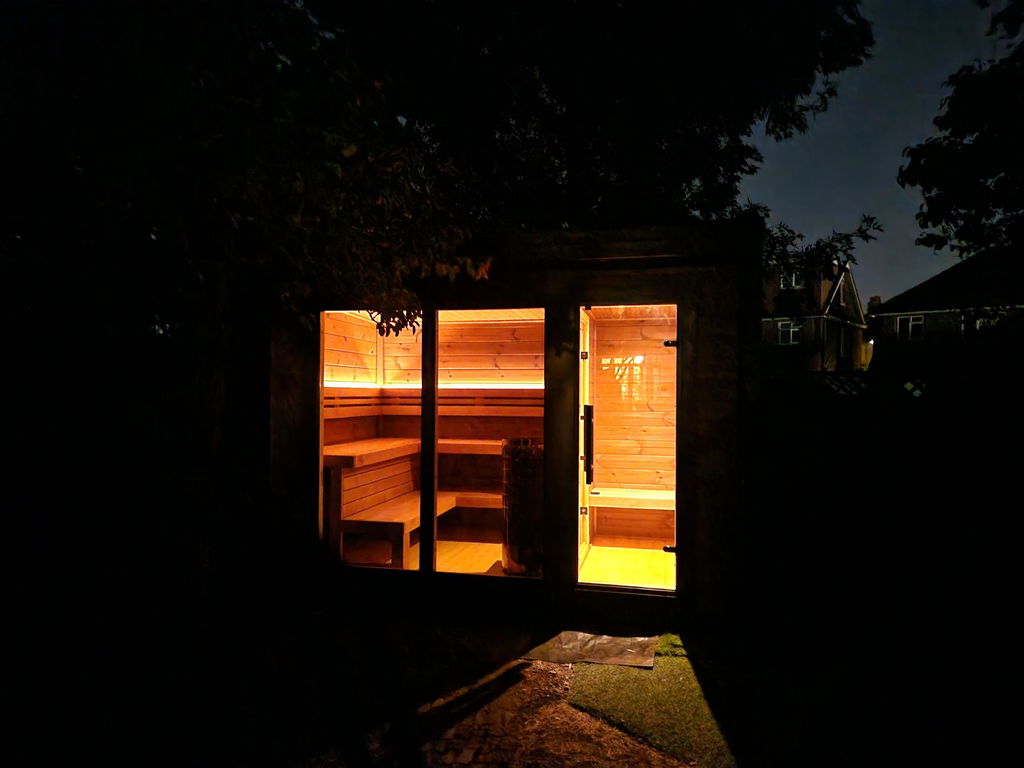
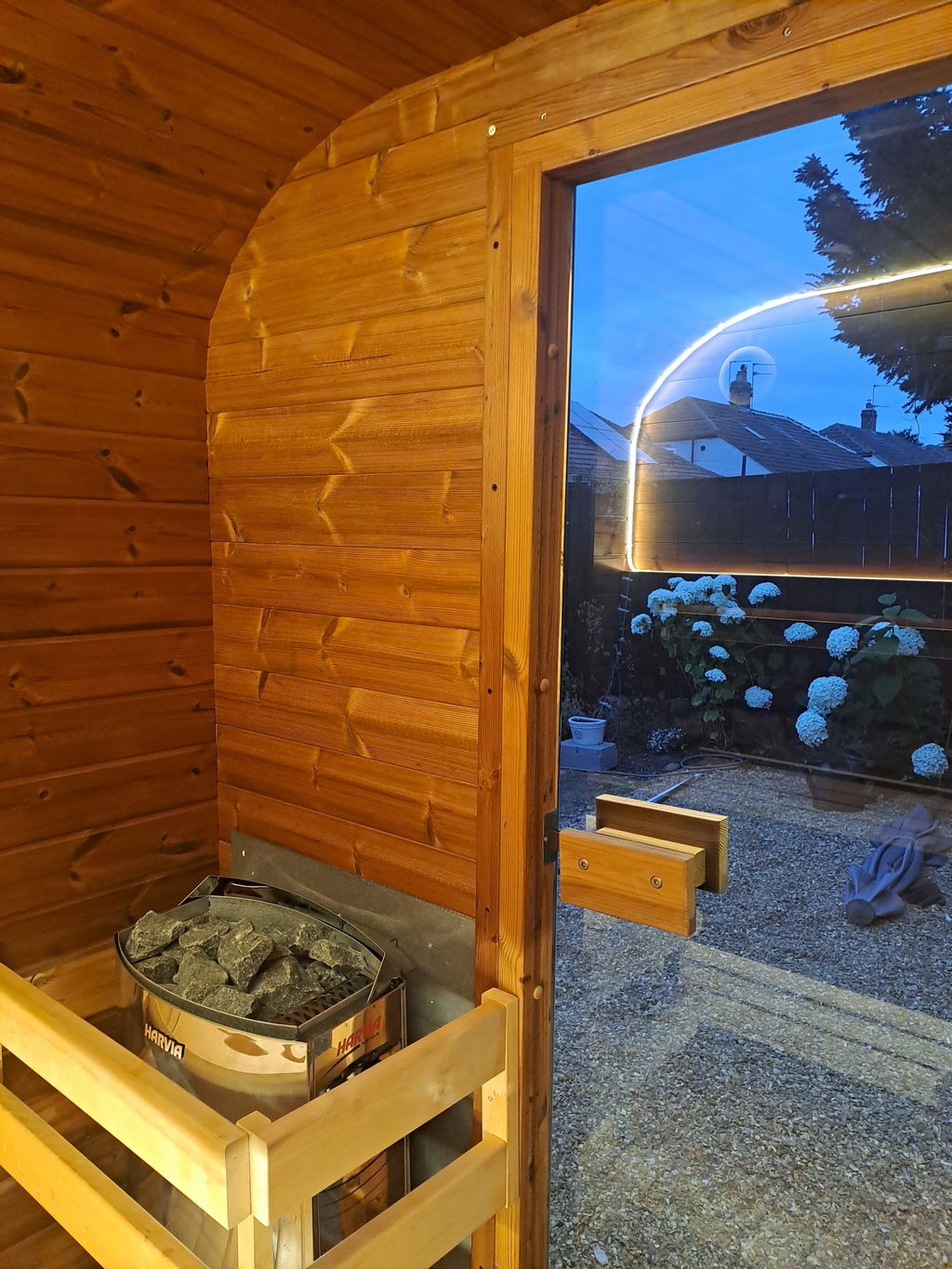
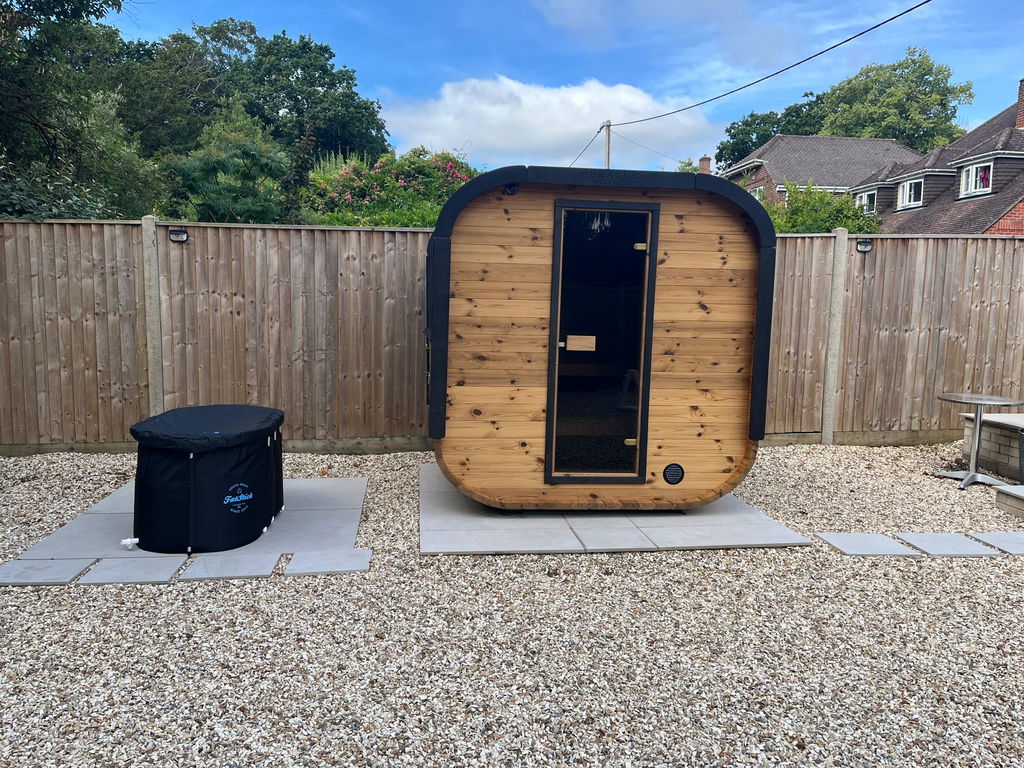
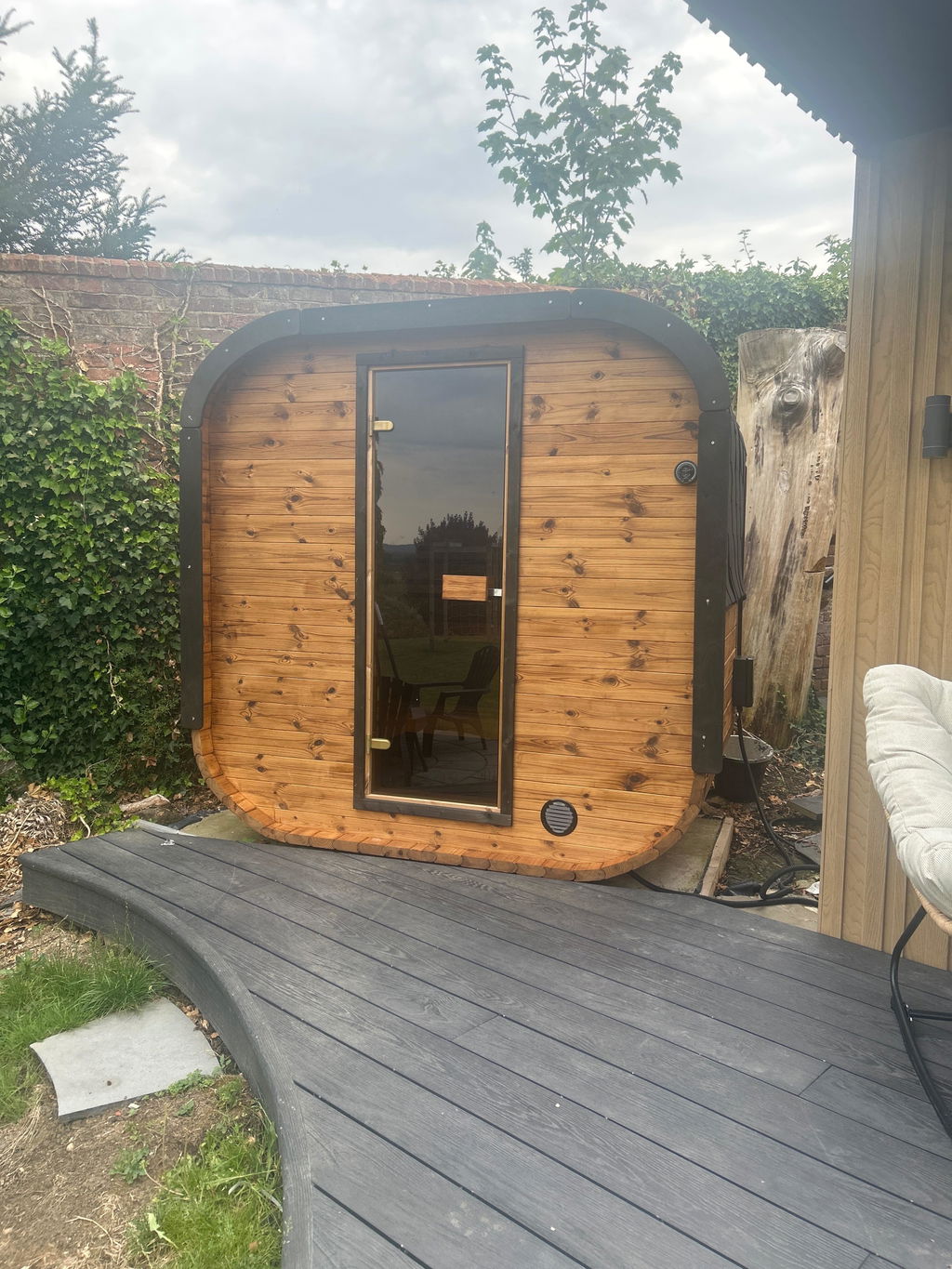
A traditional heater warms the surrounding air, often reaching temperatures between 160°F and 210°F, well above what infrared technology typically produces. This style suits anyone who wants an intense, all-encompassing heat and the ritual of pouring water over hot stones. Browsing the traditional Finnish saunas range is a useful next step for anyone drawn to this classic style of session. Stone-based heaters, including air-blending models, fall into this broader category.
Infrared Heating Technology
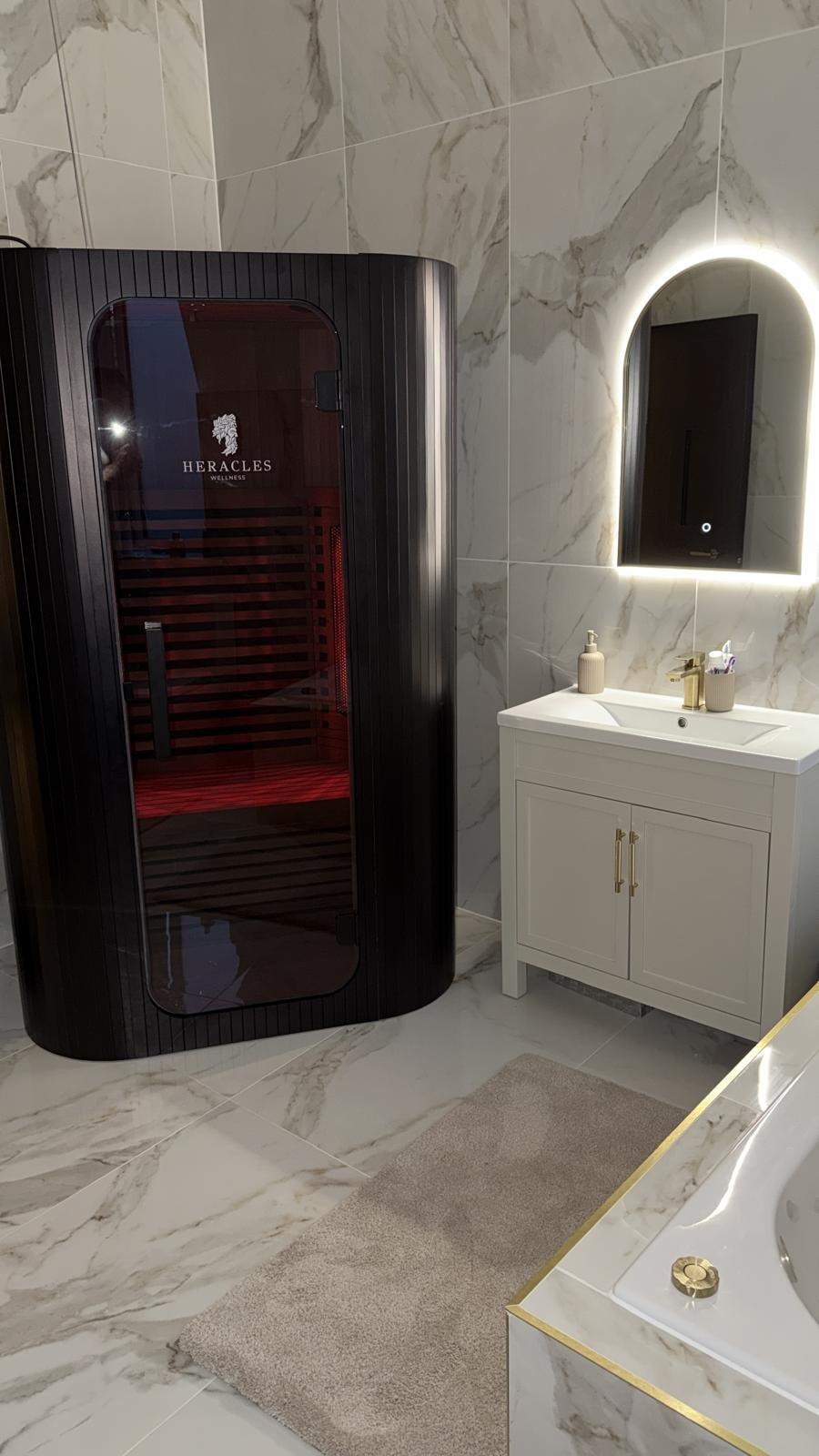
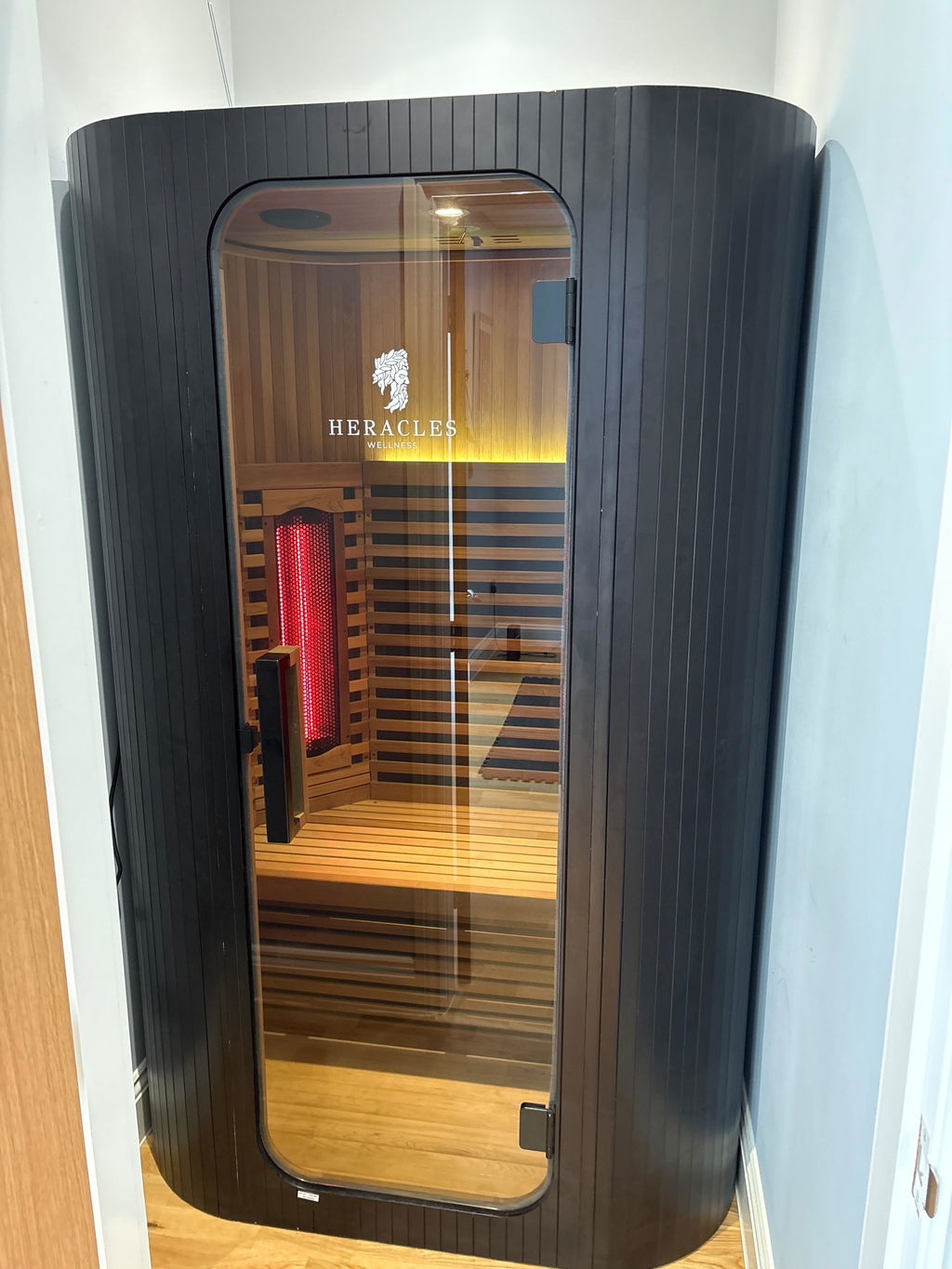
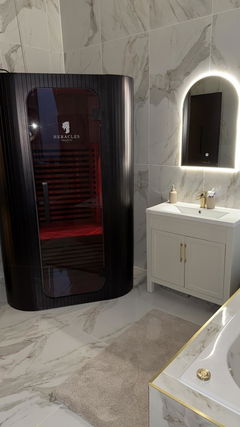
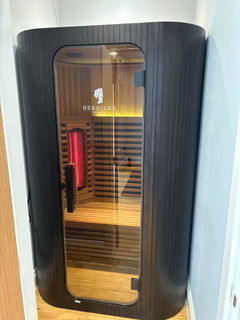
An infrared heater warms the body directly through light waves rather than heating the surrounding air. This allows for cabin temperatures as low as 120°F to 140°F while still producing a genuine sweat response. Anyone who finds traditional heat overwhelming often finds infrared easier to tolerate. Sessions can run 30 to 45 minutes comfortably, compared to the 10 to 20 minutes many people manage at traditional temperatures. The infrared sauna range covers cabins built around this gentler style of heat, suited to daily use.
Matching a Heater to Room Size
Getting the heater size right matters more than almost any other decision when planning a home sauna. An undersized heater struggles to reach and maintain the target temperature, while an oversized model wastes energy and increases upfront costs. Choose the correct size from the start to simplify the buying process.
Why Room Volume Matters
Every heater is rated for a specific range of room volume, measured in cubic feet rather than floor area alone. A 6-foot by 8-foot room with a standard 7-foot ceiling contains 336 cubic feet, but the same floor footprint with an 8-foot ceiling contains 384 cubic feet, enough to push a borderline heater choice into the wrong size bracket. Ceiling height affects this figure just as much as length and width. A heater working near the top of its rated range cycles less efficiently than one with headroom to spare.
Avoiding Common Sizing Mistakes
A frequent mistake is sizing a heater purely on floor space while ignoring ceiling height or insulation quality. A poorly insulated room, one without a proper vapor barrier and at least 2 inches of insulation in the walls and ceiling, can require 20 to 30 percent more heating capacity than a well-insulated room of identical dimensions. When in doubt, choosing a heater rated slightly above the estimated requirement is usually the safer route. This gives the unit a comfortable margin rather than forcing it to run at its absolute limit every session.
Home Sauna Kits and Room Configurations
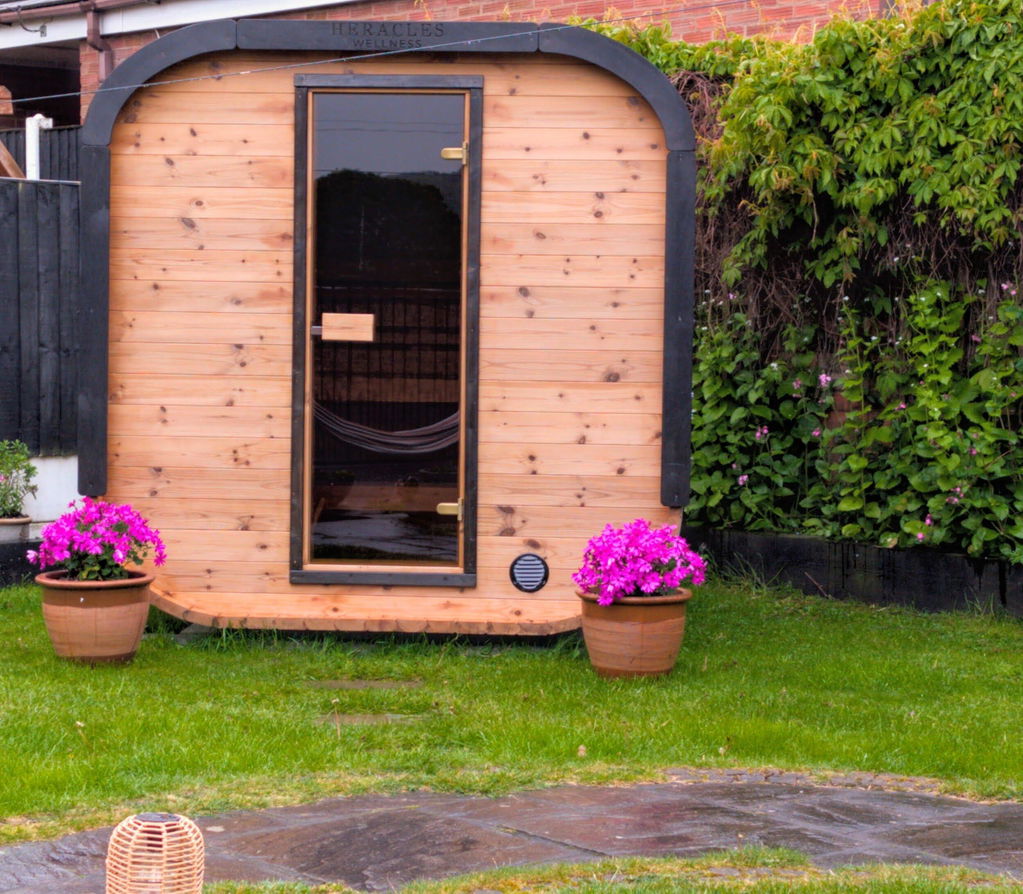
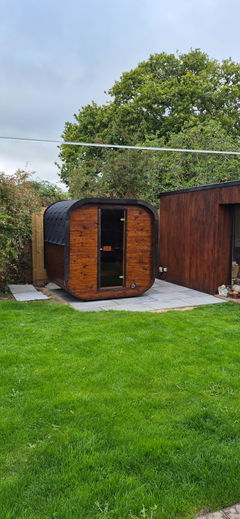
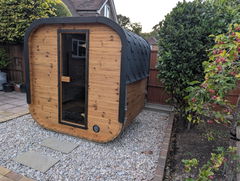
A heater is only one part of a complete home sauna. The room it sits inside matters just as much for comfort and performance. Choosing between a fixed kit and a modular build usually comes down to how much the available space needs adapting. A standard rectangular room suits a kit. An irregular one, say a converted attic with a sloped ceiling or a basement corner with a support column, often calls for a more flexible modular approach.
Indoor Sauna Kits
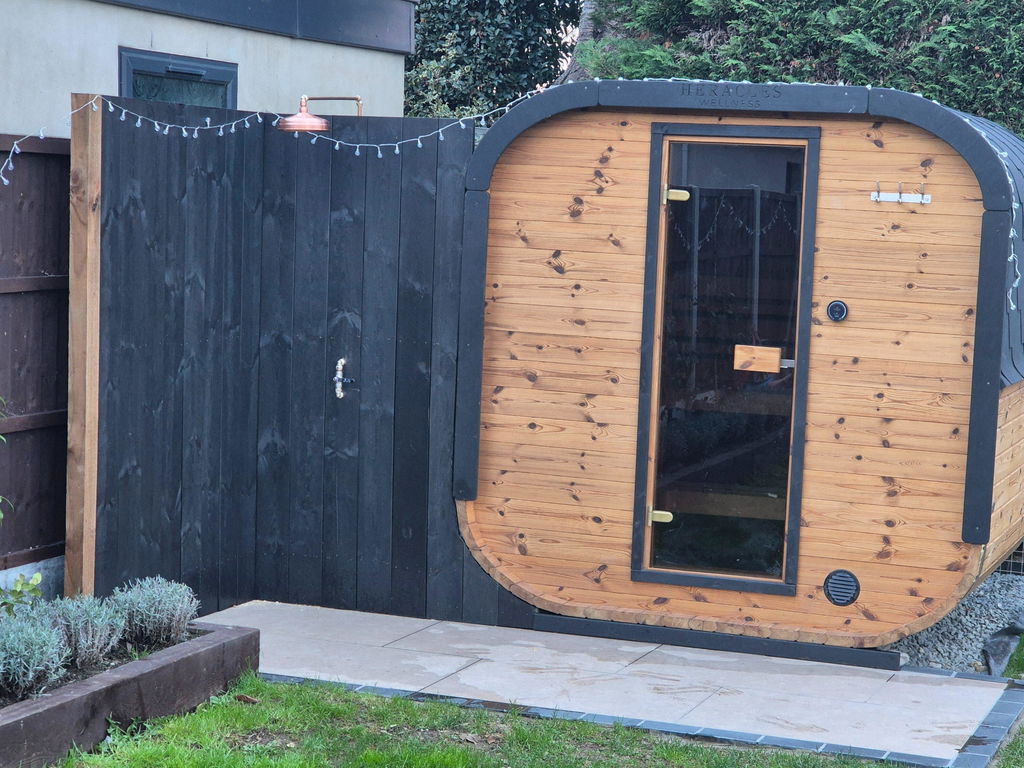
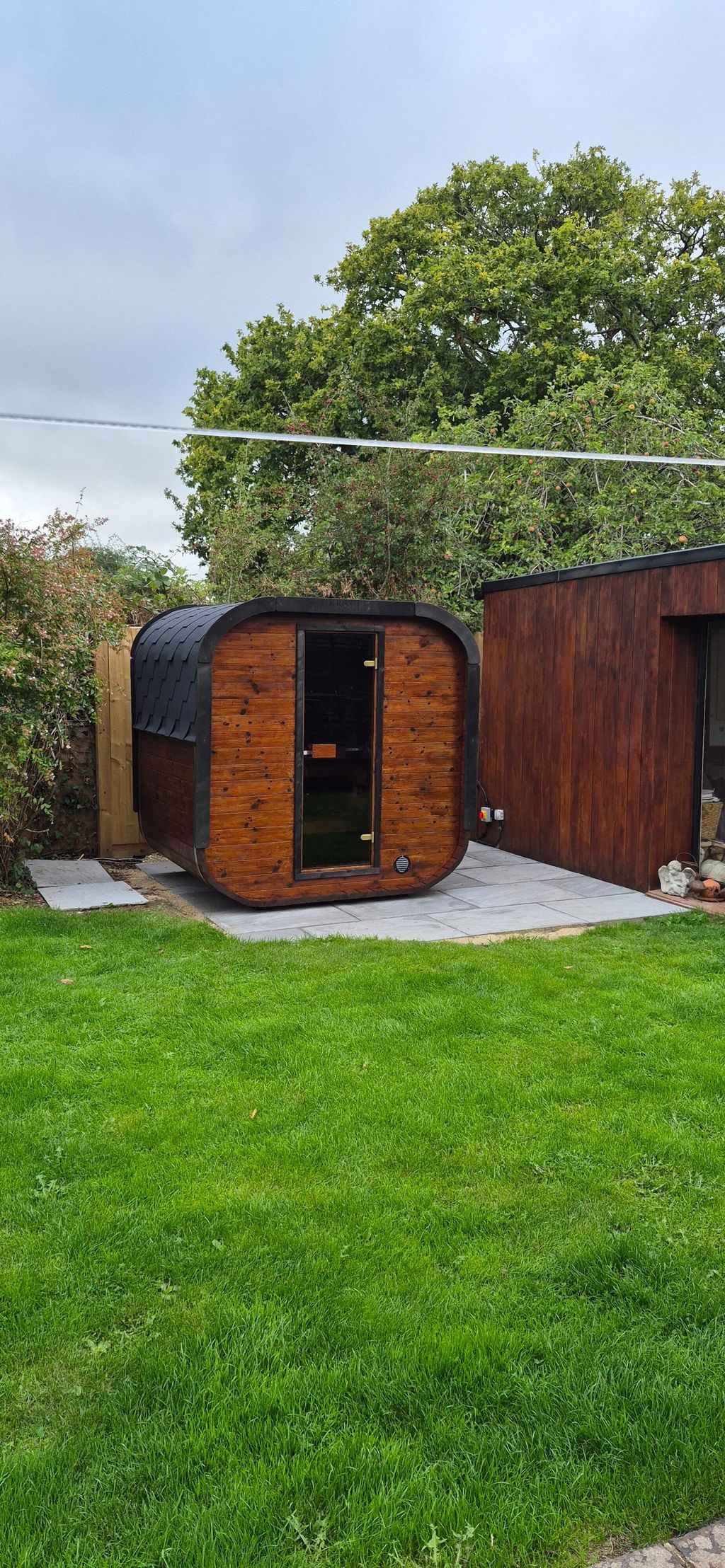
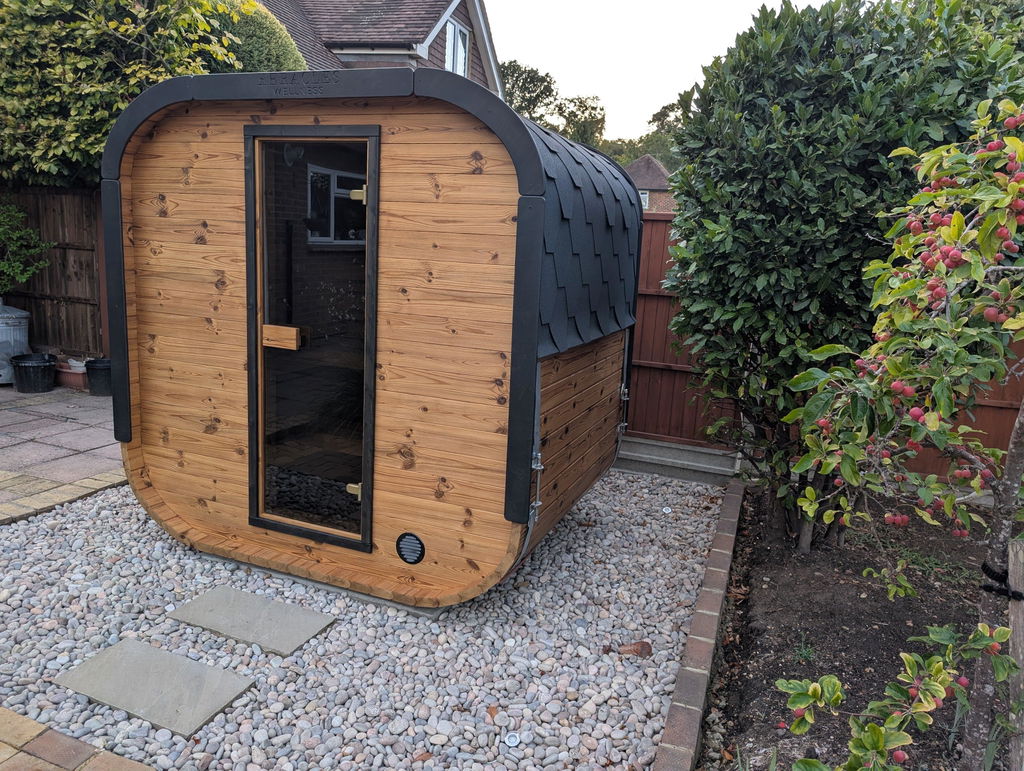
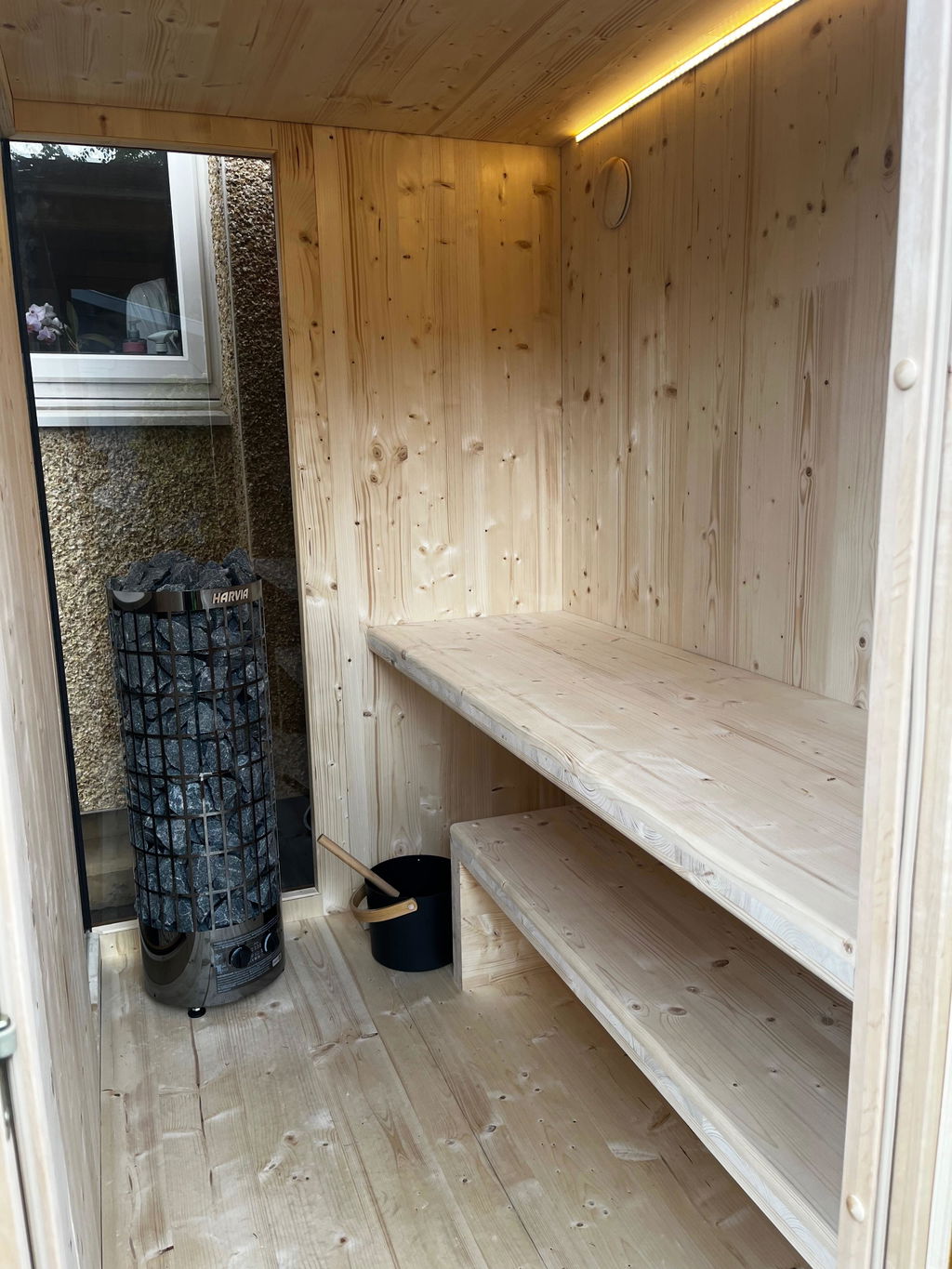
A complete indoor kit bundles the cabin, benches, and heater into a single package built for a specific footprint. Common residential sizes run from 4-foot by 4-foot two-person cabins up to 6-foot by 8-foot four-person configurations, with pre-matched heaters rated for each volume. This suits anyone converting a spare room, basement, or garage corner into a dedicated wellness space. The indoor sauna kit range covers a variety of sizes designed to fit standard residential rooms without extensive renovation.
Modular and Custom Room Builds
A modular room offers more flexibility than a fixed kit, since panels can be arranged to fit an irregular space. This suits a converted attic, an oddly shaped basement corner, or a room with existing structural features that a standard kit cannot accommodate. The traditional indoor modular sauna range is built around this kind of flexible, made-to-fit approach.
Salt Therapy and Additional Features
Beyond the core heating technology, several additional features have become common across premium sauna heaters. Salt integration and digital controls are the two that come up most often during comparison shopping. Neither changes fundamental heating performance, but both affect day-to-day comfort and convenience in ways that are worth thinking through before committing to a model.
How Salt Integration Works
Some heaters include a salt reservoir positioned directly within the airflow path rather than sitting passively beside the unit. Moving air draws across the salt and carries fine mineral particles throughout the room as it circulates. This differs meaningfully from a simple salt tray, which relies on ambient heat alone and distributes far less salt aerosol per session. Saunum’s integrated salt chamber design routes airflow directly over pharmaceutical-grade halite.
Budget and Long-Term Value
A heater built around even air distribution and a larger stone bed generally costs more upfront than a basic resistance model. Entry-level Saunum units start around $1,895 while models with salt integration and larger stone capacities run $3,000 and above.